
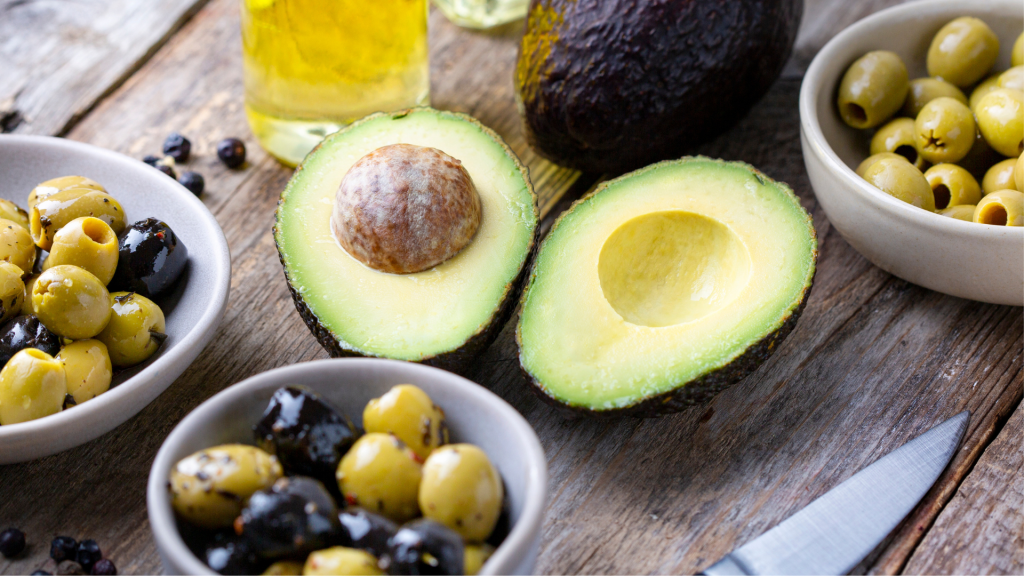
Avocado Oil vs Olive Oil: Comparison & Considerations
Avocado Oil vs. Olive Oil: which one is better? Our article explores the differences and considerations to help you choose the best oil for your needs.
Avocado Oil vs. Olive Oil: which one is better? Our article explores the differences and considerations to help you choose the best oil for your needs.
Navigate the olive oil rating system and quality grades to choose the best oils. Learn about EVOO, certifications, and tips for selecting top-quality products.
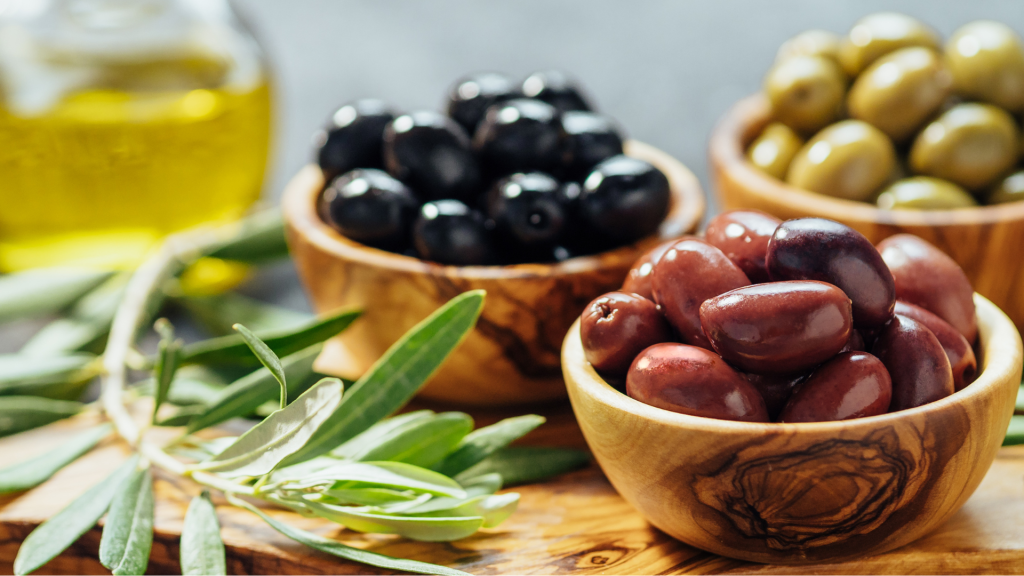
Discover the nutrition facts, health benefits, and expert tips for maximizing the value of extra virgin olive oil in your daily diet and cooking routine.
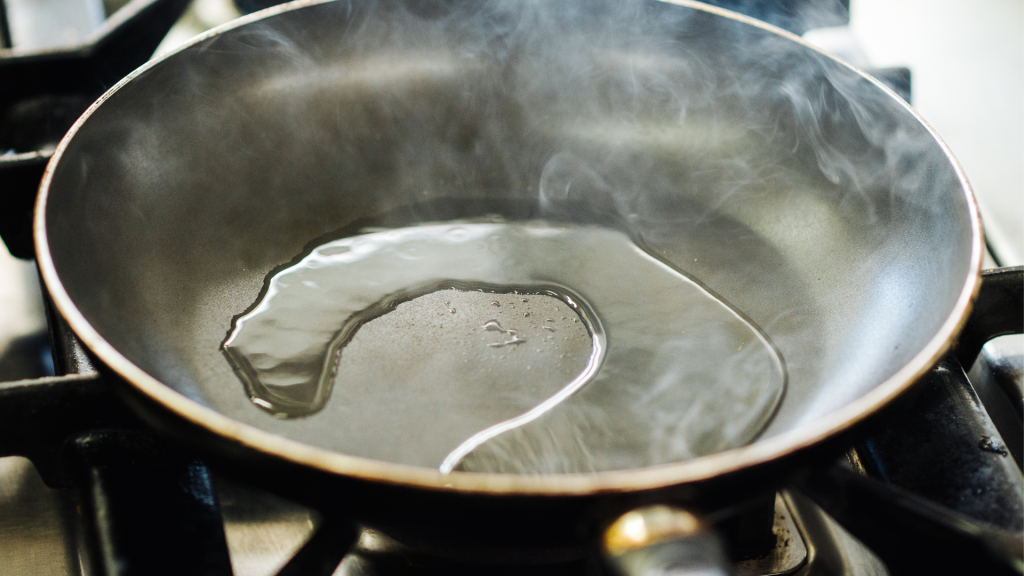
Learn about the burning point of extra virgin olive oil (EVOO) and its suitability for high-heat cooking. Discover the science behind EVOO’s stability, health benefits, and best practices for cooking.
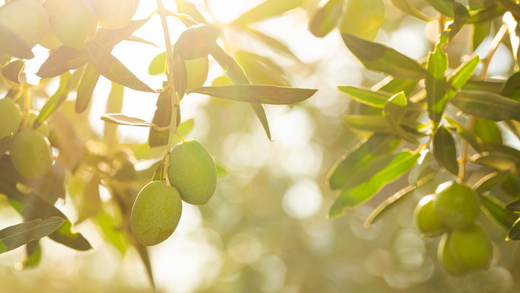
Discover the meaning of EVOO and why it’s essential in cooking. Learn about Extra Virgin Olive Oil’s quality, health benefits, and culinary versatility, plus tips for using it like a pro.
Can vegetable oil substitute for olive oil? Discover when and how to make this swap in cooking, baking, roasting, and dressings. Learn key differences like smoke points, flavor, and texture to achieve the best results every time!
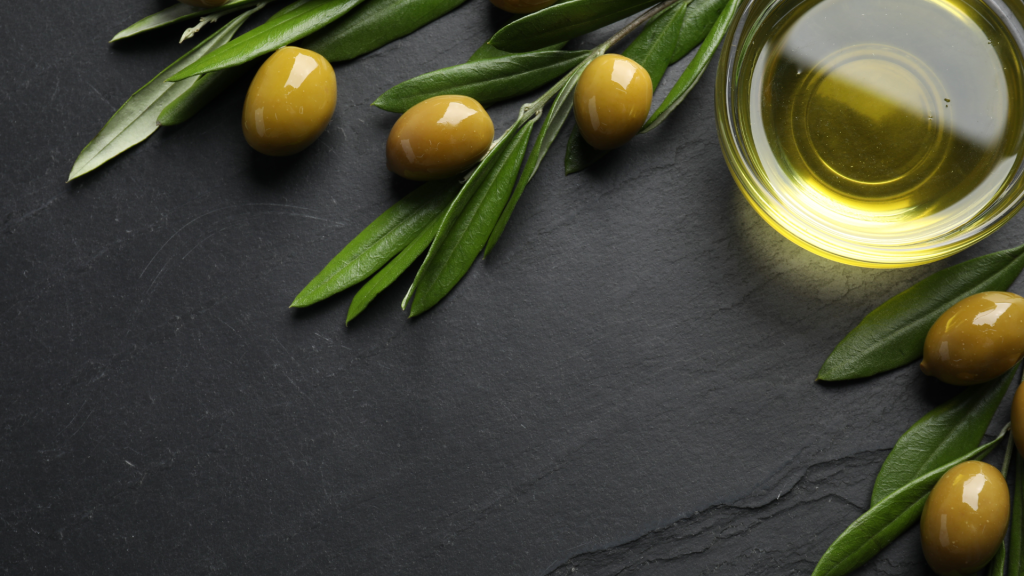
Discover how polyphenols in olive oil support heart health, brain function, and more. Learn which oils have the most polyphenols and how to maximize their benefits.

Extra virgin olive oil is the highest grade of olive oil, with stronger taste and more antioxidants compared to virgin olive oil.
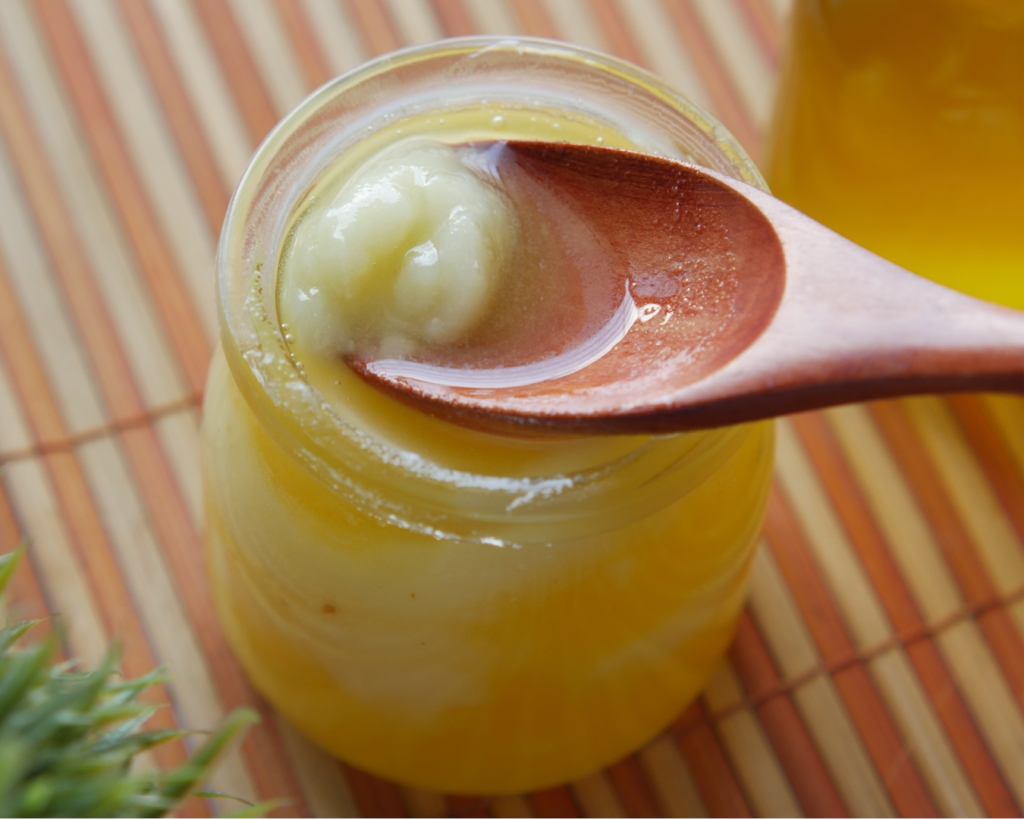
It’s normal for olive oil to be cloudy due to natural sediments or cold temperatures. Cloudy olive oil will usually clear up after bringing it back to room temp.
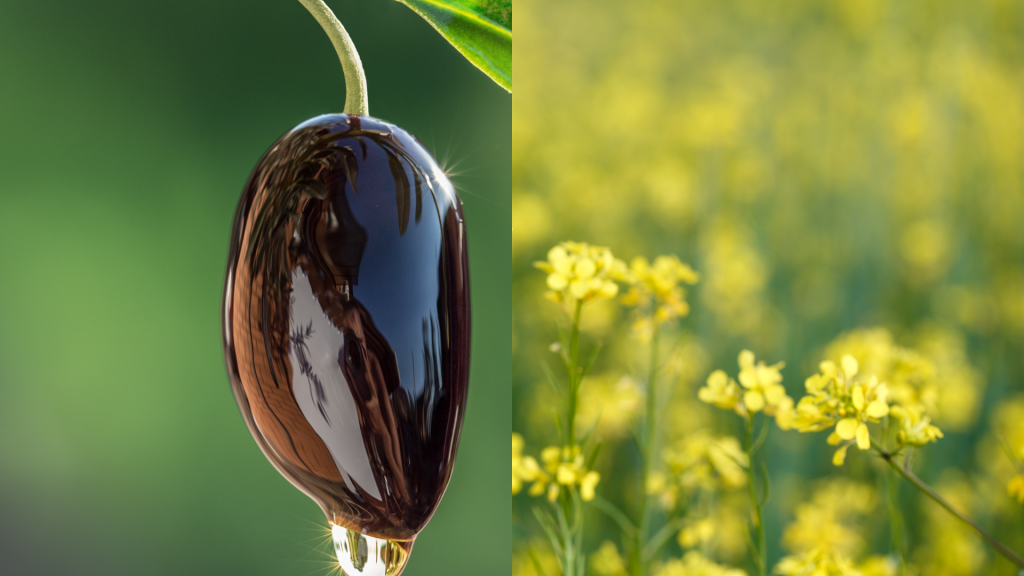
Both canola oil and olive oil are good for heart health, but olive oil is generally healthier than canola. Opt for extra virgin olive oil for more antioxidants.